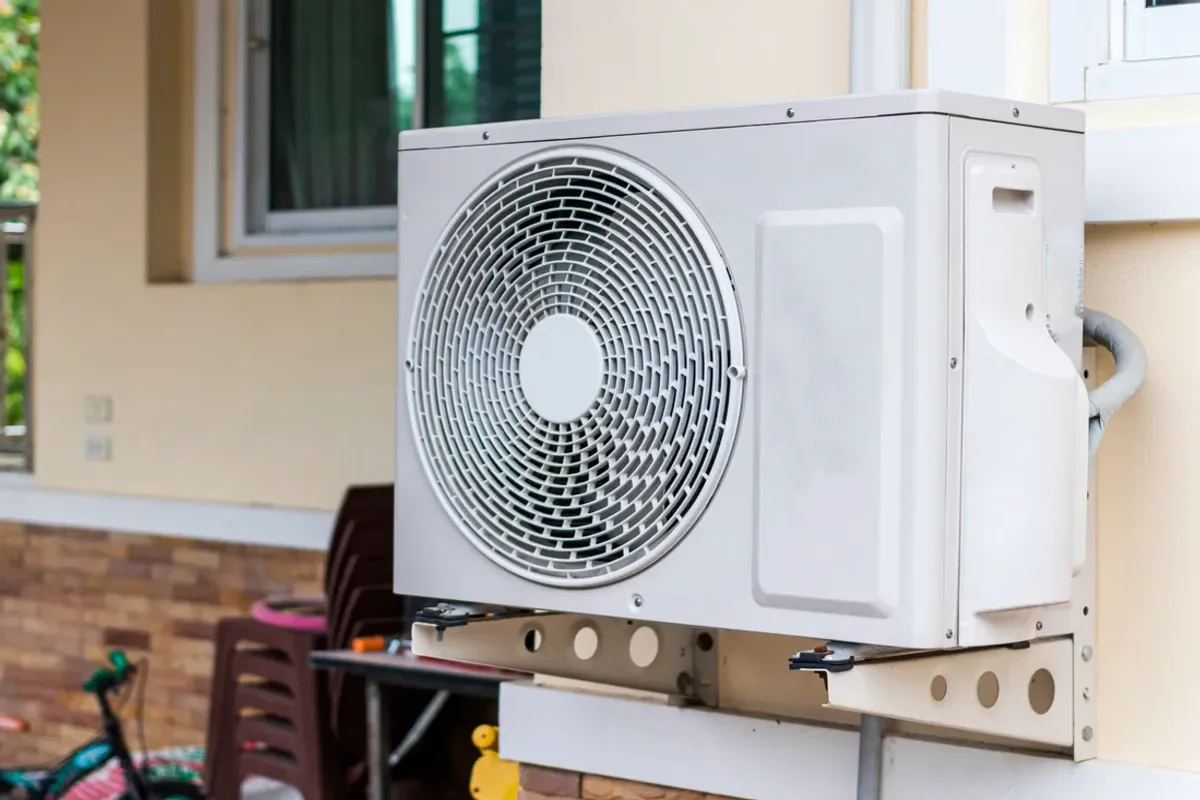
Request heat pump repair & installation for a property in Sarnia. Include the equipment, the problem or planned work, and your location so the request can be reviewed.
How can I tell whether a heat pump needs repair or replacement assessment?
A heat pump uses connected components to provide heating and cooling, so a symptom such as lukewarm air or long runtimes does not identify the cause by itself. Airflow, refrigerant circuit, controls, sensors, outdoor-coil condition, and defrost operation can each affect the system. Repair and installation are distinct decisions: diagnosis addresses an existing fault, while replacement planning must account for the property's heating and cooling requirements and the proposed equipment.
Record whether the problem occurs in heating, cooling, or both, and note changes in runtime, airflow, or sound. Do not handle refrigerant, internal electrical parts, or safety controls. A qualified inspection can test controls, sensors, airflow, the refrigerant circuit, and defrost operation. Findings, equipment condition, and repair history help determine whether a specific repair or a replacement comparison is warranted.
Heat-pump heating and cooling diagnosis
Refrigerant, airflow, controls, sensors, and defrost faults
Repair decisions and replacement installation planning
Assessment and Scope
Questions for the Proposed Work
01
Trace weak heating or cooling to its cause
Lukewarm air and extended runtimes can arise from airflow restrictions, control problems, or a fault in the refrigerant circuit, among other causes. The diagnostic process should test the system rather than infer a refrigerant problem from air temperature alone. Note whether the symptom is limited to one operating mode and whether airflow has changed. Refrigerant and internal electrical checks belong to qualified service personnel, not occupants.
02
Check defrost operation and related components
When a heat pump's heating operation is affected by outdoor-coil frost, inspection can assess the coil, sensors, and defrost controls together. A defrost cycle that does not operate as intended may point to a control or sensor fault, while other conditions can also affect operation. Model-specific instructions and observed system behaviour guide maintenance and testing. Do not attempt to bypass a control or force a defrost cycle.
03
Keep repair and installation decisions distinct
A failed compressor may prompt a replacement comparison, particularly when inspection also finds broader equipment deterioration; it does not establish a universal replacement rule. A smaller, identifiable fault may support repair if the rest of the system is suitable for continued service. For a new installation, equipment selection should reflect the property's heating and cooling needs and the existing system configuration. Compare documented findings and proposed scope before deciding.
Compare the next step
Identify who approves changes to existing heating, power, distribution, and controls. Ask how the proposal addresses occupants affected by the work and any retained equipment warranty. A conversion decision should be supported by the complete design and authorized scope rather than approval for an isolated outdoor-unit replacement.
Cold-climate capability does not prove that one model covers every home heating load. Ask how the selected equipment and supplementary heat meet the actual design requirements.