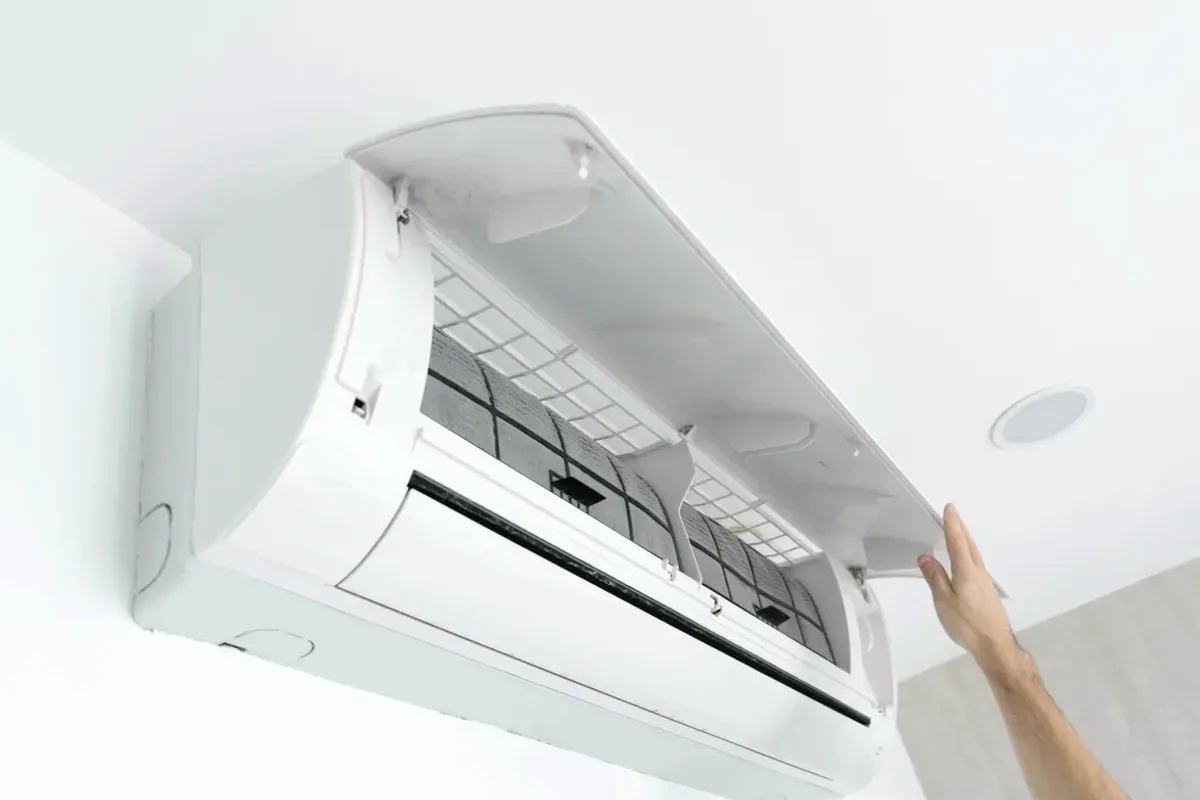
Request ductless ac installation for a property in Sarnia. Include the equipment, the problem or planned work, and your location so the request can be reviewed.
What should be assessed before choosing a ductless system?
A ductless system can be considered where extending or using ductwork is not practical, but the right installation depends on the rooms to be served and the equipment selected. A cooling-only unit differs from a cold-climate heat-pump model that can also provide heating. Room measurements, electrical capacity, indoor-head placement, outdoor-unit location, and the route for refrigerant lines and condensate drainage all affect the proposed scope.
Identify the rooms requiring cooling, their approximate dimensions, and any existing heating arrangement, such as radiators or baseboards. An installer needs to assess electrical capacity, mounting surfaces, line-set routing, condensate drainage, and outdoor-unit location. For a multi-zone design, the room-by-room requirements matter. These findings inform equipment selection and whether an existing opening or mounting point can be reused.
Single-zone and multi-zone ductless system planning
Indoor-head placement, electrical capacity, and line-set routing
Condensate drainage and conditional reuse of openings
Assessment and Scope
Questions for the Proposed Work
01
Plan zones and indoor-unit locations
Room size alone does not determine a suitable layout. Consider which spaces need independent control, how doors and room connections affect air distribution, and whether a wall-mounted head can be positioned without obstructing its airflow. A single-zone design and a multi-zone system have different equipment and piping requirements. Where the property already uses radiators or baseboard heat, ductless cooling may be assessed without assuming those systems need replacement.
02
Check electrical, line-set, and drainage routes
The installation assessment should establish whether the existing electrical service can support the selected equipment and where the refrigerant line set can pass. Condensate drainage needs a suitable route, with a pump considered only if gravity drainage is not practical for the proposed location. Review penetrations, mounting surfaces, and outdoor-unit placement before finalizing scope. These details affect installation work and help identify constraints before equipment is selected.
03
Specify equipment and any reused openings
Choose equipment according to the intended use, including whether the system is for cooling only or is a heat-pump model intended to provide heating as well. For a room that remains humid, ask how the proposed unit's operation and drainage suit that space rather than assuming a ductless head resolves moisture. Where an existing opening or mounting location is being reused, inspect its condition and dimensions before treating the work as a like-for-like replacement.
Compare the next step
Obtain agreement on head locations, exterior equipment, penetrations, and drainage from the person authorized to change the property. Ask which building permissions and electrical work are included. Record who approves variations and finish repairs so the installation proceeds from an agreed layout rather than a room occupant preference alone.